Black Friday: A Fun Handwritten Font for Standout Ideas
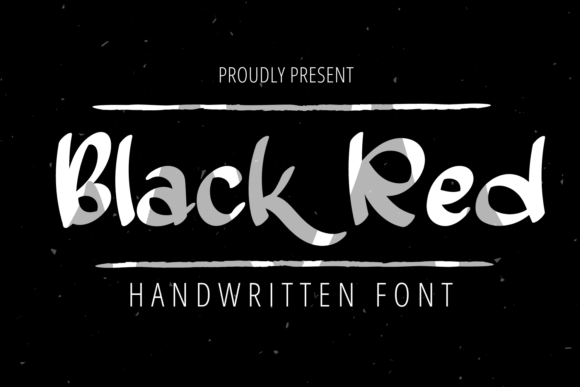
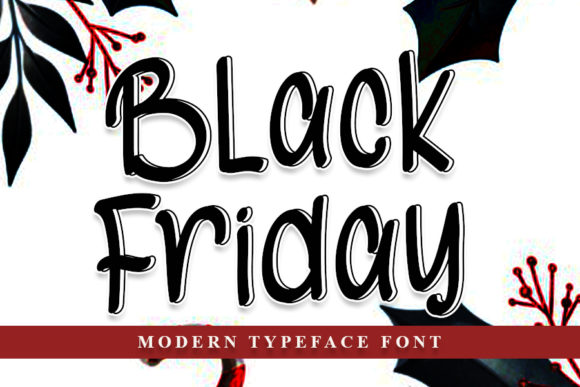
Black Friday often brings to mind bustling shops and seasonal sales, but in the world of typography, it represents something far more personal and creative. Black Friday is a friendly handwritten font that captures the spontaneity of human lettering while remaining polished enough for modern projects. Its slightly irregular strokes, gentle curves, and approachable character make it a go-to choice when you want a message to feel genuine and warm. Adding this beautiful font to your creative ideas can instantly shift the tone from formal to inviting, and once you start using it, you’ll notice how naturally it makes your work stand out.
Before diving into who can benefit most, it helps to understand what defines Black Friday as a typeface. Unlike rigid sans-serifs or ornate serifs, it mimics the rhythm of someone writing with a felt-tip pen or fine marker. The letters vary just enough in weight and baseline to feel human without sacrificing readability. This balance is rare. Many handwritten fonts become messy at smaller sizes, but Black Friday retains clarity on social media graphics, product labels, school worksheets, and even printed greeting cards. It also includes a thoughtful set of ligatures and alternates in many versions, letting you fine-tune the flow for logos or headlines.
Different people approach a font like Black Friday with different expectations, and that’s exactly why it pays to explore its value from multiple angles. This isn’t a one-size-fits-all resource; what matters to a freelance designer may not register with a hobbyist, and a small business owner’s priorities might overlap only partly with an educator’s. The following sections unpack how various users can evaluate Black Friday through lenses like ease of use, cost, creative flexibility, presentation quality, reliability, and long-term usefulness.
What Makes Black Friday More Than Just a Casual Font
At a glance, a novice might see a playful script, but experienced creators will spot the design decisions that make Black Friday unusually versatile. The spacing is crafted to avoid awkward collisions between tall ascenders and swooping descenders. Punctuation and numerals blend seamlessly with the letterforms rather than looking like afterthoughts. These details matter when you’re designing a cafe menu, a wedding invitation suite, or a series of educational posters that need to feel orderly yet friendly. Black Friday adds personality without shouting, which is a trait many designers spend hours searching for.
For Beginners: What Matters Most
If you’re new to typography, your first priority is likely ease of use. You want a font that installs without headaches and works reliably in Word, Canva, or basic design apps. Black Friday delivers here. Most commercial or free versions come in standard OTF or TTF formats, so dragging it into your system’s font folder is straightforward. Once active, it behaves predictably in text boxes, and you won’t need to adjust kerning manually for everyday projects. Beginners also appreciate that the font looks good right away—no steep learning curve to make a simple birthday flyer pop. A parent crafting a school fundraising poster, for instance, can type the headline “Bake Sale This Saturday” and instantly see a result that feels hand-painted but professional.
For Seasoned Designers: Quality and Versatility
Experienced users scrutinize quality, flexibility, and licencing. They’ll test Black Friday across different scales, from large signage to digital badges, checking how it holds up in print and on screens. A graphic artist building a brand package for a boutique might combine Black Friday with a restrained serif for contrast, ensuring the signature warmth doesn’t become overwhelming. Advanced users will dig into the font’s alternate characters to create custom logos, a coffee shop’s chalkboard-style header, or limited-edition social media templates. They value that the font is friendly without being childlike, making it suitable for sophisticated audiences too. Reliability across platforms—whether the file retains its smooth curves in Adobe Illustrator or after export to SVG—also weighs heavily in a professional’s decision to keep Black Friday in their permanent collection.
Creative Partnerships: Marketers, Bloggers, and Educators
Where Black Friday truly shines is in hands-on, message-driven work. Marketing professionals need fonts that build visual trust and reflect a brand’s voice. A health coach selling wellness journals might use Black Friday for inspirational quotes on Instagram stories, reinforcing a tone that is uplifting and personal rather than corporate. A blogger sharing homemade recipes could design printable recipe cards where the ingredient list appears in Black Friday, making the instructions feel handwritten with care. This emotional layer can’t be achieved with generic system fonts.
Educators and facilitators form another distinct group. They often prioritize clarity and inclusivity over trendiness. A middle school teacher creating vocabulary flashcards can use Black Friday for headers because it straddles the line between fun and legible. The letters are distinct enough for young readers, yet the aesthetic reduces the visual stress associated with stark, academic fonts. Similarly, a corporate trainer building a slide deck about workplace wellness might use the font for breakout session titles, adding a hint of informality that encourages participation without undermining the session’s credibility.
Small Business Owners and Side Hustlers
For entrepreneurs running bakeries, plant shops, or handmade jewelry stores, presentation speed and branding impact lead their concerns. These owners rarely have time to commission custom lettering for every price tag or window decal. Black Friday allows them to DIY assets that look bespoke. Imagine a cookie business printing hang tags with “Freshly Baked” written in a looping, appetizing script—customers perceive craftsmanship even before tasting the product. Here, the font becomes a quiet but effective sales tool. Owners also benefit from the font’s friendly affect; it can soften a promotional notice like “25% Off All Candles” and keep the message feeling inviting, not pushy.
When Hobbyists Fall in Love with a Typeface
Hobbyist communities—scrapbookers, card makers, bullet journal enthusiasts—form a passionate user base for handwritten fonts. Their primary concerns center on creative freedom and personal satisfaction. Black Friday finds a home in this space because it mimics real pen strokes without the performance anxiety of actual calligraphy. A card maker can print a sheet of “Thank You” sentiments, cut them out, and layer them onto handmade cards with dimensional foam. A bullet journal keeper can design custom stickers with goal trackers and habit titles using the font, then print them at home. The learning value is also notable: experimenting with a well-made handwritten font can teach a casual creator about letter spacing, mood, and composition, gently building design awareness.
Practical Ways to Assess If Black Friday Fits Your Next Project
No single font solves every problem, so here are a few checkpoints to help you decide if Black Friday aligns with your goals:
- Will text appear in long paragraphs? Handwritten fonts can fatigue readers in body text. Reserve Black Friday for headlines, quotes, labels, or short blocks under 20 words.
- Does the project demand a formal tone? For legal documents, annual reports, or serious healthcare notices, the font’s casual nature may undermine credibility. Opt for it in lifestyle, hospitality, creative, or educational contexts instead.
- Is brand personality already defined? If your visual identity leans minimalist or corporate, introducing a script might dilute consistency. However, a sub-brand, limited campaign, or event-specific asset can handle the contrast beautifully.
- What will be the viewing distance and medium? Test Black Friday at actual size. It’s robust on screens and in printed products, but if you’re designing a billboard or very small label, verify legibility before committing.
- Does licensing cover your use? Always check the font’s EULA. Some free versions permit personal use only; extended commercial licences may be required for product packaging, app embedding, or large-scale print runs.
Matching the Tool to Your Personal Workflow
Your own comfort level with design tools also influences how you’ll experience Black Friday. Those who design primarily in browser-based apps like Canva may find the font accessible via upload or built-in library, and its impact will be immediate with little technical adjustment. Users of Adobe Creative Cloud will appreciate the advanced OpenType features that unlock contextual alternates. Even in basic document editors, the font’s character stays intact. The broad compatibility means you won’t outgrow it as your skills advance—a beginner’s first choice can remain an expert’s trusted asset.
Building Long-Term Value with a Single Typeface
It’s easy to collect fonts and forget them, but Black Friday encourages repeated use because of its emotional range. A freelance web designer might use it on a restaurant landing page today and a yoga studio’s schedule PDF tomorrow; the vibe adapts. That long-term usefulness comes from the font’s ability to convey authentic warmth without leaning too hard on trends. It feels whimsical enough for a children’s event but restrained enough for a coffee table book title. As a result, it resists the disposable nature of many novelty fonts.
Ultimately, Black Friday isn’t about chasing seasonal hype—it’s about giving your words a handwritten heartbeat. Whether you’re sketching out a bakery’s new logo, crafting heartfelt holiday cards, or refreshing your classroom materials, when you add this beautiful font to your creative idea, you notice the shift. Your project moves from generic to personal, from forgettable to memorable. And that small change often makes the biggest difference in how your audience connects with what you’ve made.