How Kids Holiday Is Redefining Playful Creativity in Professional and Educational Projects
In a world where deadlines dominate and professionalism often demands restraint, there is a quiet but powerful shift taking place. More creators, educators, marketers, and entrepreneurs are recognising that joyfulness is not a distraction from meaningful work — it is a catalyst for it. At the centre of this shift sits Kids Holiday, a concept and creative approach that channels the unfiltered delight of childhood into projects that need brightness, warmth, and emotional connection. What began as a niche reference to school holiday activities has evolved into something far more significant: a design and storytelling philosophy that professionals across industries are learning to harness.
What Kids Holiday Actually Means in a Modern Context
On the surface, Kids Holiday evokes images of school breaks, craft tables covered in glitter, and the kind of laughter that echoes through playgrounds. But when you look closer, it represents something deeper. It embodies a specific emotional tone — one that is lighthearted, curious, spontaneous, and unguarded. For professionals who work with children's content, educational materials, family-focused branding, or even internal team culture, Kids Holiday is not just a seasonal reference. It is a creative framework that prioritises wonder over perfection and engagement over formality.
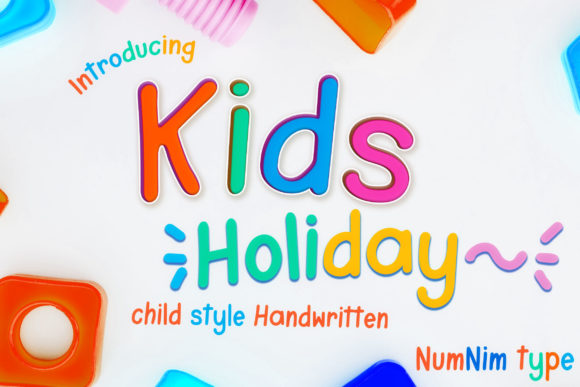
In practical terms, Kids Holiday can be understood as a thematic resource. Designers use its visual language — bold colours, whimsical typography, hand-drawn illustrations — to inject personality into otherwise sterile projects. Content creators draw on its narrative energy to make stories more relatable and memorable. Even product developers in the edtech and toy industries look to the Kids Holiday ethos to guide decisions about user experience, packaging, and brand voice. The common thread is a deliberate embrace of childlike playfulness as a legitimate professional tool.
Why the Timing Is Right for a Joy-Driven Approach
The growing attention around Kids Holiday is not accidental. It reflects several converging trends that have reshaped how people work, create, and consume. After years of global uncertainty, audiences of all ages are gravitating toward content and experiences that feel comforting, optimistic, and emotionally safe. This is especially true in the family and education sectors, where parents and teachers are actively seeking resources that counterbalance the heaviness of recent times.
At the same time, the creator economy has matured. Freelancers, indie designers, and small studio founders now understand that differentiation matters more than scale. In a marketplace saturated with polished but soulless templates, a project that radiates genuine warmth stands out immediately. Kids Holiday offers exactly that — a way to signal authenticity and approachability without sacrificing professionalism. Marketers who once relied on sleek minimalism are now experimenting with handcrafted aesthetics and storytelling techniques borrowed directly from children's media.
The Industry Context: Where Playfulness Meets Professional Demand
To understand why Kids Holiday is becoming a reference point for so many professionals, it helps to look at the industries where it naturally fits. The educational publishing sector, for example, has undergone a significant transformation. Worksheets, lesson plans, and classroom decorations are no longer afterthoughts produced on photocopiers. They are now designed products that compete for attention on platforms like Teachers Pay Teachers, Etsy, and Canva. Educators who sell their resources have discovered that incorporating the Kids Holiday aesthetic — vibrant layouts, cheerful characters, playful activity prompts — directly correlates with higher engagement and repeat buyers.
Similarly, the children's event and party industry has professionalised dramatically. Independent planners and small businesses that design birthday kits, holiday camp programmes, and family festival experiences routinely draw on the Kids Holiday spirit to create cohesive, memorable brands. What sets the best apart is their ability to sustain that joyful tone across every touchpoint, from invitation design to on-site signage and digital follow-ups. This consistency is what turns a one-time client into a loyal advocate.
Beyond Child-Facing Brands: Unexpected Applications
Perhaps the most interesting development is how the Kids Holiday philosophy has leaked into spaces that have nothing to do with children. Internal communications teams at forward-thinking companies are using playful visuals and lighthearted copy to humanise corporate messages. Wellness apps aimed at adults increasingly adopt illustration styles and colour palettes reminiscent of children's books, recognising that softness reduces cognitive friction and encourages daily engagement. Even financial literacy platforms targeting young adults have found that a more approachable, almost whimsical interface can demystify intimidating topics.
This cross-pollination confirms that the principles underlying Kids Holiday — clarity, warmth, emotional safety, and a touch of surprise — have universal appeal. Professionals who understand this are not limiting themselves to obvious use cases. They are asking a more strategic question: Where could a dose of joyfulness shift the perception of what we offer?
Practical Ways to Integrate Kids Holiday into Your Projects
Bringing Kids Holiday into professional work does not mean abandoning sophistication. It means making intentional choices that lower barriers and invite participation. The following approaches have been observed across successful projects in design, marketing, and education:
- Colour as emotional architecture. Move beyond safe neutrals and introduce palettes that feel warm and energetic. Pastel gradients, sunny yellows, and saturated primaries used with restraint can completely shift the mood of a landing page, a presentation deck, or a classroom resource.
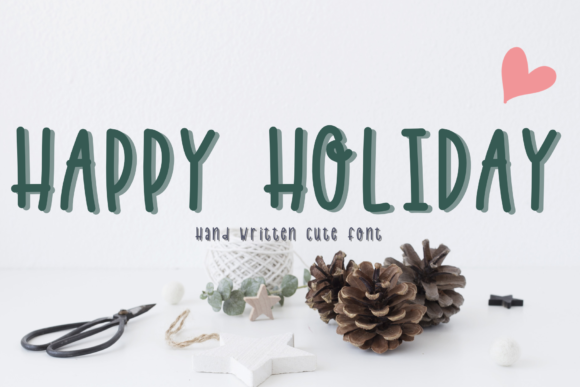
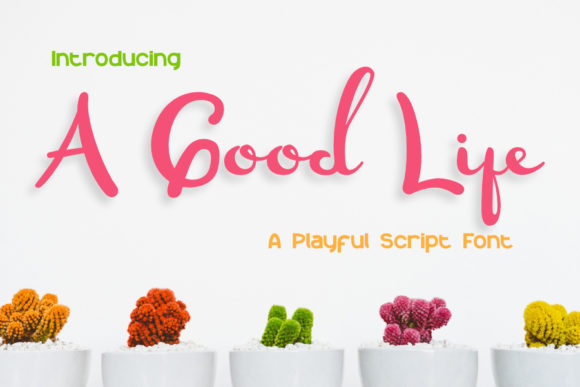
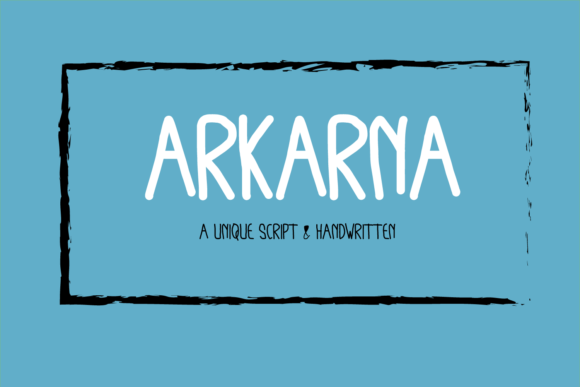
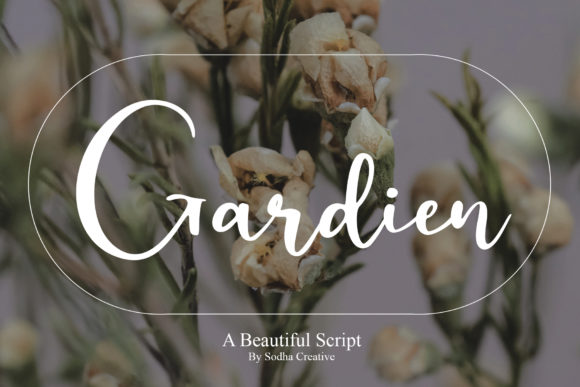
- Typography that speaks softly. Rounded, hand-lettered, or gently irregular typefaces communicate approachability before a single word is read. Many professional font foundries now offer playful families designed specifically for brands that want to balance whimsy with readability.
- Illustration over photography. Custom or stock illustrations that lean into the Kids Holiday aesthetic — think friendly animals, imaginative landscapes, and characters with expressive faces — often outperform generic stock photos in engagement metrics, especially in education and family-focused markets.
- Narrative framing. Structuring content around a simple story arc, even in a business context, taps into the same cognitive patterns that make children's books so memorable. Opening with a relatable problem, introducing a guide or helper, and resolving with a clear takeaway mirrors the comforting rhythm of a holiday activity book.
- Interactive and tactile elements. Printable checklists, cut-out templates, sticker sheets, and simple craft integrations give audiences something physical to do. This transforms passive consumers into active participants — a principle that Kids Holiday projects have always understood.
Real-World Observations from Classrooms and Studios
A primary school teacher in Manchester recently shared how redesigning her term-end review materials with a Kids Holiday theme — complete with illustrated bunting borders and celebration certificates styled like amusement park tickets — led to noticeably higher parent engagement during consultations. Parents who typically rushed through meetings stayed longer, smiled more, and asked deeper questions about their children's progress. The materials did not change the information being shared; they changed how that information was received. That is the power of emotional framing.
On the entrepreneurial side, a freelance graphic designer who specialises in branding for children's activity camps reported that clients repeatedly cite the "holiday feeling" as the intangible quality they want captured. They do not ask for specific colours or layouts. They ask for the sensation of freedom and possibility that Kids Holiday represents. Translating that sensation into visual identity systems has become the designer's signature offering, and it commands premium rates precisely because it requires a nuanced understanding of emotional design.
Changing Expectations Around Learning and Engagement
The education landscape is a powerful lens through which to view the relevance of Kids Holiday. Traditional models of instruction, built on rote learning and passive absorption, are increasingly being replaced by experiential and play-based methodologies. Research continues to affirm what intuitive educators have long known: children learn best when they are emotionally engaged, physically active, and genuinely enjoying themselves. This insight has fuelled demand for curriculum-aligned resources that feel more like holiday activities than formal lessons.
Edtech platforms have taken note. The most successful learning apps for children now prioritise delightful micro-interactions, celebratory animations, and narrative progression that mimics the structure of an adventure rather than a syllabus. Behind these design decisions is a clear principle: the threshold between learning and playing should be invisible. Kids Holiday is, in many ways, the aesthetic and philosophical container for this approach. It normalises the idea that serious educational outcomes and joyful experiences are not opposites — they are partners.
The Freelancer and Small Studio Advantage
For freelancers and small creative studios, the Kids Holiday ethos offers a distinct competitive advantage. Large agencies often struggle to produce work that feels genuinely warm because their processes are optimised for efficiency and consistency at scale. Playfulness can feel risky in a boardroom. Independent creators, by contrast, can make faster, braver decisions. They can hand-draw an icon set rather than source a generic one. They can write copy that sounds like a conversation rather than a corporate memo. This permission to be personal is exactly what clients in the education, family, and lifestyle sectors are increasingly willing to pay for.
Moreover, platforms that connect freelancers with clients — from Fiverr to specialised creative marketplaces — show clear patterns. Listings that feature portfolio pieces with a Kids Holiday sensibility tend to attract more inquiries and repeat commissions. The reason is straightforward: buyers can immediately picture the work in their own contexts. A colourful activity sheet design, a playful logo for a children's holiday club, a set of whimsical social media templates — these are concrete, desirable outputs that solve immediate needs.
Looking Ahead: The Enduring Value of Intentional Joy
As artificial intelligence and automation continue to reshape creative industries, the qualities that make Kids Holiday resonant are likely to become even more valuable. AI can generate technically competent designs and competent copy. What it struggles to replicate is the intentional, human decision to choose warmth over cold efficiency. The deliberate imperfection of a hand-drawn border, the cultural nuance embedded in a locally relevant holiday reference, the specific emotional memory evoked by a particular shade of crayon blue — these are signals of human care. And care is what audiences, whether parents, teachers, or consumers, are increasingly seeking.
This does not mean rejecting technology. Many creators are already using AI tools to accelerate production while reserving creative direction for themselves. They generate layout variations algorithmically but curate the final selection based on an intuitive sense of what feels joyful. They use automation for repetitive tasks and protect the human touches that give a project its Kids Holiday soul. The professionals who thrive in the coming years will be those who understand this balance deeply.
Kids Holiday, then, is more than a thematic trend or a seasonal marketing angle. It is a reminder that joyfulness is a strategic asset. Whether you are designing a school project, launching a family-focused product, or simply trying to make your professional communications more human, the principles embedded in this concept offer a reliable compass. They point toward work that connects, uplifts, and endures — not because it is loud or flashy, but because it feels like the very best kind of holiday: welcoming, memorable, and full of light.