Jathselim: The Handwritten Elegance That Elevates Your Creative Work
In a digital world saturated with uniform typefaces, finding a font that conveys genuine personality and artistry can be a significant challenge. Designers, creatives, and professionals often seek tools that add a layer of sophistication and human touch to their projects, from wedding invitations to brand logos to personal publications. The goal is to move beyond the impersonal and inject warmth, elegance, and a sense of crafted beauty. This is where the delicate and elegant handwritten font, Jathselim, becomes an invaluable solution.
What is Jathselim?
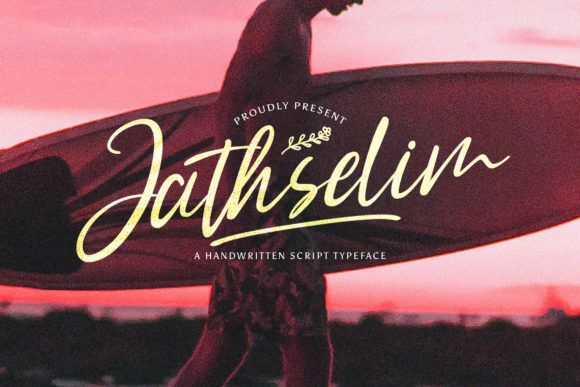
Jathselim is a meticulously crafted handwritten font designed to emulate the beauty and flow of skilled penmanship. Its characters possess a natural, organic elegance with graceful strokes and subtle variations that avoid the rigid uniformity of many script fonts. Unlike basic system fonts, Jathselim is PUA (Private Use Area) encoded. This technical feature is crucial for practical use: it means every alternate glyph, decorative swash, and unique character is readily accessible and easy to use within standard design software. You don't need to be a coding expert to unlock its full aesthetic potential.
The Creative Challenge: Making Ideas Feel Real and Refined
Whether you're a small business owner crafting your brand identity, a stationery designer creating heartfelt wedding suites, or a blogger looking to distinguish your visual content, a common hurdle persists. Digital creations can often feel flat or generic. A standard font might communicate the message, but it fails to evoke the emotion or prestige the project deserves. The need is for a typographic tool that acts not just as a text container, but as an integral part of the design narrative—one that makes concepts feel tangible, refined, and alive.
Jathselim addresses this directly. Its inherent delicacy brings an immediate sense of care and attention to detail. Adding Jathselim to your most creative ideas is not merely a change of typeface; it’s an infusion of character. Imagine a luxury brand’s tagline gaining a bespoke, artisan feel, or a poet’s self-published chapbook appearing as a handwritten manuscript. The font translates digital intent into a perception of physical craft.
Practical Applications Where Jathselim Excels
The utility of Jathselim spans numerous practical scenarios. Its elegance is versatile, applicable to both personal and professional contexts.
- Branding and Identity: For boutique businesses, wellness brands, or artisan producers, Jathselim can define logos, packaging text, and marketing materials. It communicates quality, authenticity, and a human-centric approach.
- Event Stationery: Weddings, galas, and milestone celebrations demand a tactile elegance. Jathselim is ideal for invitations, place cards, programs, and menus, offering a digital solution that feels personally inscribed.
- Digital Publishing and Blogging: Using Jathselim for headers, pull quotes, or feature titles on a website or eBook can dramatically elevate the visual hierarchy and reader experience, setting your content apart.
- Personal Projects: From custom family history books to unique greeting cards or artistic social media graphics, Jathselim adds a signature touch that standard fonts cannot replicate.
Implementing Jathselim for Optimal Outcomes
To harness the full benefit of Jathselim, consider its application thoughtfully. Because it is a distinctive script font, best practices for use are key. Employ it primarily for headlines, titles, short phrases, or decorative elements rather than long body paragraphs. This ensures its elegance is appreciated without compromising readability. The PUA encoding is your greatest practical advantage; explore your design software's glyph panel or character map to easily select alternative swashes and ligatures, allowing you to customize the look for each specific project.
The outcome of using Jathselim is a marked increase in perceived value and emotional resonance. A wedding invite set with Jathselim feels more heartfelt and exclusive. A brand's welcome message written in Jathselim feels more personal and engaged. Your creative output gains a layer of polish and intentionality that audiences instinctively recognize.
Tailored Approaches for Different Users
How you integrate Jathselim will depend on your specific role and goals.
For the Professional Designer: Treat Jathselim as a premium asset in your toolkit. Use its PUA-encoded swashes to create nuanced variations for different clients or projects. Pair it with minimalist sans-serif fonts for body text to create a balanced, sophisticated layout that lets the handwritten elegance shine as a focal point.
For the Entrepreneur or Small Business Owner: Focus on consistency. Select a specific Jathselim glyph set for your logo and key brand phrases, and use it uniformly across all touchpoints. This builds a cohesive and memorable identity that feels deliberately crafted, not templated.
For the Creative Hobbyist or Blogger: Embrace experimentation. Use Jathselim to give your personal projects a unique signature. Try it on blog post titles, featured images, or printable art you create. Its accessibility via PUA encoding means you can achieve complex, beautiful results without needing advanced technical skills.
Recommendations and Final Considerations
When adopting Jathselim, start with high-impact, low-volume text. Test its appearance in various sizes and on different backgrounds to ensure its delicate strokes remain clear and legible. Remember that its power lies in its ability to suggest the human hand; therefore, use it where that suggestion amplifies your message. Always keep your audience in mind—the elegance of Jathselim should serve and enhance the content, not overshadow it.
In seeking practical solutions to elevate your work, Jathselim offers a direct path. It is more than a font; it is a design partner that brings a whisper of artistry, a note of refinement, and a tangible sense of life to your digital creations. By understanding its nature as a PUA-encoded handwritten font and applying it strategically to your challenges, you transform functional text into expressive art, making your most important ideas not only seen but felt.