Kimono: A Relaxed Font for Creative Expression
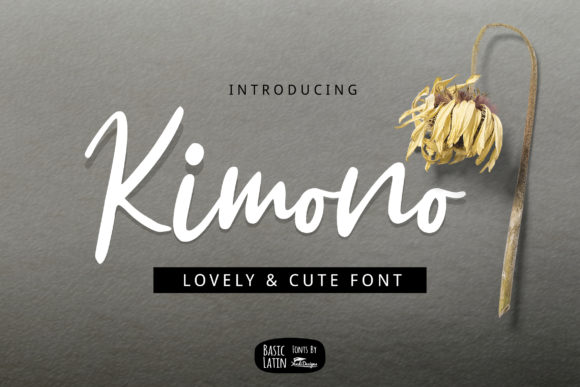
In the world of digital fonts, finding one that genuinely captures a personal, artistic touch can be a challenge. Kimono solves this problem. It is a relaxed and whimsical handwritten font designed to bring a sense of effortless charm to any text. Unlike stiff, formal typefaces, Kimono mimics the natural flow of hand-drawn lettering, with gentle curves and playful variations that make each word feel unique.
The Whimsical Character of Kimono
What sets Kimono apart is its specific personality. The term "relaxed" describes its lack of rigid structure; letters aren't perfectly aligned or uniform, which is precisely its appeal. "Whimsical" points to its lighthearted and slightly imaginative flair—think of the joyful scribbles in a personal journal or the inviting script on a handmade gift tag. This combination creates a font that feels friendly and approachable, never cold or corporate.
Its value lies in its ability to humanize digital communication. In an era where so much content is generated with standard, impersonal fonts, using Kimono can instantly signal creativity, care, and individuality. It bridges the gap between digital efficiency and the warmth of analog art.
Where Kimono Brings Your Ideas to Life
The practical applications for this font are vast, stretching across personal hobbies and professional projects. Its primary purpose is to turn text into a visual element that enhances the overall feel of a creation.
For Social Media and Digital Content
If you're curating an Instagram feed, a blog, or a newsletter, Kimono is a powerful tool. Use it for standout quotes in your post images, for eye-catching headlines in blog articles, or to design unique logos for your personal brand. It works beautifully for highlighting key phrases without overwhelming the viewer. For marketers and small business owners, it can add a boutique, artisan feel to promotional graphics, helping a brand stand out in a crowded digital marketplace.
For Hands-On Creative Projects
Beyond the screen, Kimono is perfect for DIY projects. Imagine printing wedding invitations, baby shower decorations, or personalized greeting cards with this font. It provides a ready-made calligraphy script without requiring you to master a pen. Educators and freelancers can use it to create engaging worksheets, presentation titles, or client proposal covers that feel more crafted and attentive.
For Everyday Professional and Personal Use
Even in more casual contexts, Kimono has a place. A hobbyist might use it to label homemade jam jars or design a logo for a community garden flyer. An entrepreneur could employ it for the branding of a cozy cafe or an online craft store. Its relaxed nature makes it unsuitable for dense legal documents or formal reports, but ideal for anything meant to connect on a personal, emotional, or artistic level.
Important Considerations Before Using Kimono
While Kimono is wonderfully versatile, a few practical observations will help you use it effectively. First, consider readability. Its handwritten style is best used for short passages—headlines, labels, quotes, or logos. Avoid setting long paragraphs or body text in Kimono, as the decorative forms can become difficult to read in bulk.
Second, think about pairing. Kimono often works best when combined with a simple, clean sans-serif font for supporting text. This contrast allows the whimsical font to shine as a focal point while keeping the overall design balanced and legible.
Finally, assess your project's tone. Kimono’s relaxed vibe is perfect for friendly, creative, or intimate contexts. It might not convey authority or sleek modernity. Matching the font's personality to your message's intent is key to a successful design.
Getting Started with Kimono
For beginners, the process is straightforward. Once you've acquired the font file, you install it on your computer like any other font. Then, in your software—whether it's a word processor, a graphic design tool like Canva, or a professional suite like Adobe Illustrator—you simply select Kimono from your font list. Start by experimenting with a single word or a short sentence. Play with size, color, and spacing to see how its character changes. Notice how a larger size emphasizes the playful details, while a smaller, tighter setting might feel more delicate.
Remember, the goal is to let the font serve your idea, not overwhelm it. Whether you're designing a social media banner, a handmade candle label, or the cover for your next workshop booklet, Kimono provides that essential touch of handwritten art, transforming your creative idea into a cohesive and charming piece of work.