Why Handwritten Fonts Are Transforming Modern Design — and What Makes Sylvia So Special
Typography has always been at the heart of visual communication. From the elegant serifs carved into ancient Roman monuments to the clean sans-serifs that define today's digital interfaces, the way letters look shapes how we feel about the words themselves. Among the many font categories available to designers and everyday creators, handwritten fonts hold a unique and deeply personal place. One standout example is Sylvia, a lovely handwritten font that brings warmth, authenticity, and creative flexibility to a wide range of projects. In this article, we'll explore the world of handwritten typefaces, why they matter, how they're used, and what sets Sylvia apart as a versatile choice for professionals and hobbyists alike.
The Emotional Power of Handwritten Typography
Before diving into the specifics of Sylvia, it helps to understand why handwritten fonts carry so much weight in design. Human beings are naturally drawn to things that feel personal. A handwritten note, even a digital one, evokes a sense of intimacy that sterile, geometric typefaces simply cannot replicate. This is because handwriting is inherently tied to human expression — each stroke, curve, and loop feels like it was made by a real person, not a machine.
In a world increasingly dominated by automation and artificial intelligence, the demand for authenticity has grown. Handwritten fonts bridge the gap between digital efficiency and personal warmth. They remind viewers of a time when communication was slower, more deliberate, and more thoughtful. This emotional resonance is why brands, event planners, and content creators consistently turn to fonts like Sylvia to convey sincerity, elegance, or playfulness.
A Brief Look at Font Categories
To appreciate handwritten fonts fully, it's useful to know where they sit in the broader typography landscape. Fonts are generally grouped into several key categories:
- Serif: Classic, with small decorative strokes at the ends of letters (e.g., Times New Roman).
- Sans-serif: Clean and modern, without those strokes (e.g., Arial, Helvetica).
- Script: Mimics fluid cursive or calligraphic writing, often elegant and formal.
- Handwritten: Less formal than script; mimics natural penmanship with organic variations.
- Display: Designed for large headings, often bold and decorative.
Handwritten fonts like Sylvia occupy a special niche. They are less structured than formal scripts but more intentional than random scribbles. This balance makes them incredibly adaptable across contexts.
Introducing Sylvia: A Lovely Handwritten Font with a Personal Touch
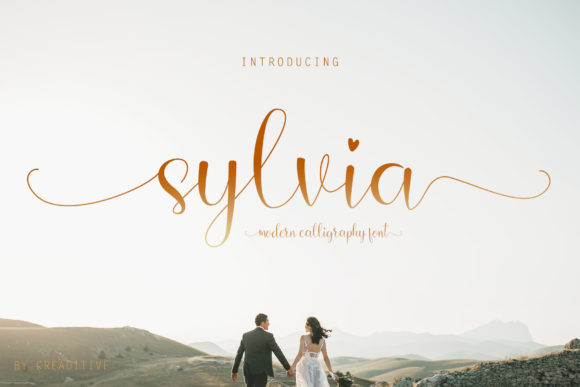
Sylvia is not just another handwritten typeface. It captures the effortless charm of natural handwriting while maintaining the polish needed for professional design work. Its letterforms are graceful without being overly ornate, making it suitable for both casual and semi-formal applications. What truly sets Sylvia apart, however, is its thoughtful design and technical accessibility. The font is PUA encoded, which means users can easily access all of its glyphs and swashes without needing advanced design software or special plugins. This feature alone makes Sylvia a favorite among beginners who want beautiful results without a steep learning curve.
What Does PUA Encoding Mean and Why Should You Care?
PUA stands for Private Use Area. In font terminology, this refers to a special range of Unicode character codes that font designers can use to store extra glyphs — things like alternate letterforms, decorative swashes, ligatures, and ornamental flourishes. A PUA-encoded font like Sylvia allows you to access these hidden treasures using basic character maps or glyph panels, even in standard software like Microsoft Word, Adobe Illustrator, Canva, or Silhouette Studio. You don't need to be a typography expert to add a beautiful swash to the end of a word or use an alternate 'a' that better fits your layout. This democratization of design is a key reason Sylvia has gained such a loyal following.
Practical Applications: Where Sylvia Shines Brightest
The versatility of Sylvia makes it a go-to choice for a remarkably wide range of creative projects. Designers and DIY enthusiasts alike have discovered that this single font can adapt to many different moods and purposes. Below are some of the most popular ways Sylvia is being used today.
1. Wedding Invitations and Romantic Stationery
Weddings are deeply personal events, and every detail contributes to the overall atmosphere. Sylvia's gentle curves and natural flow make it perfect for wedding invitations, save-the-date cards, place cards, and thank-you notes. It conveys a sense of romance and individuality without feeling overly formal or stiff. Brides and stationery designers often pair Sylvia with watercolor floral elements or simple greenery to create suites that feel both modern and timeless.
2. Logo Design and Branding
Small businesses and personal brands benefit enormously from handwritten logos. A font like Sylvia can help a wellness coach, a bakery, a photographer, or a boutique shop establish a brand identity that feels approachable and human. Unlike corporate sans-serif logos that can feel distant, a Sylvia-based logo invites customers in. It says, "We are real people who care about what we do." The ability to access alternate glyphs through PUA encoding also means designers can customize the logo further, ensuring it remains unique to the brand.
3. Headings and Social Media Graphics
In the fast-scrolling world of social media, grabbing attention is paramount. Sylvia's warm, handwritten style stands out against the often-generic typefaces that flood timelines. Content creators use it for Instagram quotes, YouTube thumbnails, Pinterest pins, and blog post headings. Its readability combined with its personality-driven aesthetic makes it ideal for short, impactful text that needs to stop a viewer mid-scroll.
4. T-Shirts, Apparel, and Merchandise
The print-on-demand industry has exploded in recent years, and handwritten fonts are among the top choices for t-shirt designs. Sylvia looks beautiful on t-shirts, tote bags, hoodies, and caps. Its organic lines feel right at home on fabric, giving merchandise a handmade, artisanal quality. Whether it's an inspirational phrase, a family reunion logo, or a witty saying, Sylvia adds character that resonates with buyers seeking something beyond mass-produced graphic tees.
5. Letterhead and Business Stationery
For professionals who want their correspondence to feel personal, Sylvia works wonderfully on letterhead, envelopes, and business cards. In an age where most business communication happens via email, receiving a physical letter with a beautifully typeset header leaves a lasting impression. Creative professionals — writers, consultants, artists, and therapists — often choose fonts like Sylvia to reinforce their personal brand through every mailed touchpoint.
6. Signage, Labels, and Product Packaging
From rustic wedding signage to artisanal food labels, Sylvia thrives in physical spaces. Its hand-drawn quality complements materials like kraft paper, wood, and glass. Small-batch producers of honey, candles, soaps, and baked goods regularly use handwritten fonts on their labels and packaging to signal craftsmanship and care. Event planners similarly rely on Sylvia for directional signs, menu boards, and table numbers that feel cohesive and charming.
7. Posters, Badges, and Event Materials
Fundraisers, community events, church gatherings, and school functions all require promotional materials that feel welcoming. Sylvia brings an inclusive, friendly energy to posters, flyers, badges, and banners. Its legibility at various sizes ensures it works both as a headline font and in slightly smaller supporting roles. The swashes available through PUA encoding can add celebratory flourishes perfect for special occasions.
How Handwritten Fonts Fit Into Modern Life and Technology
The resurgence of handwritten fonts in digital spaces might seem ironic at first glance. We spend more time typing and tapping than ever before, yet we crave the visual language of pen on paper. This phenomenon reflects a broader cultural shift toward mindfulness and intentionality. Just as the slow food movement pushed back against fast food, the popularity of handwritten fonts pushes back against the cold uniformity of default system typefaces.
Technologically, the rise of user-friendly design platforms like Canva has put professional typography within reach of non-designers. Someone planning a baby shower or launching a small Etsy shop can now access fonts like Sylvia, install them easily, and produce stunning results from their living room. The PUA encoding feature is particularly important here because it removes friction. Users don't have to wrestle with complicated OpenType features buried in advanced menus. They can simply open a glyph panel, click the swash they love, and insert it into their design.
Common Misconceptions About Handwritten Fonts
Despite their popularity, a few misunderstandings persist around handwritten typefaces. Let's clear some of them up.
Misconception #1: Handwritten fonts look unprofessional. This is simply not true when the right font is chosen for the right context. A font like Sylvia, used thoughtfully, can elevate a brand more effectively than a generic serif. The key is matching the font's personality to the project's tone.
Misconception #2: All handwritten fonts are hard to read. While some highly stylized scripts can be challenging, well-designed handwritten fonts prioritize legibility. Sylvia strikes a careful balance, remaining clear even at smaller sizes while preserving its hand-drawn charm.
Misconception #3: You need expensive software to use decorative glyphs. This is where PUA encoding changes the game. With Sylvia, the swashes and alternate characters are accessible through the basic character map tools found on most operating systems, making advanced typography available to everyone.
Building a Broader Understanding of Typography Choices
Choosing a font is never just about aesthetics. It's about communication, psychology, and context. A well-chosen font reinforces your message; a poorly chosen one undermines it. Handwritten fonts like Sylvia remind us that typography is a tool for connection. They help brands feel like friends, events feel like celebrations, and products feel like gifts. By understanding the nuances of different font categories and the specific strengths of typefaces like Sylvia, creators at every skill level can make more intentional, impactful design decisions.
Whether you're designing a wedding invitation suite, launching a new product line, refreshing your social media presence, or creating signage for a community event, Sylvia offers a rare combination of beauty, accessibility, and versatility. Its PUA-encoded glyphs and swashes unlock creative possibilities that go far beyond the standard keyboard, empowering you to craft designs that feel genuinely one-of-a-kind. In a world saturated with visual noise, that personal touch makes all the difference.